
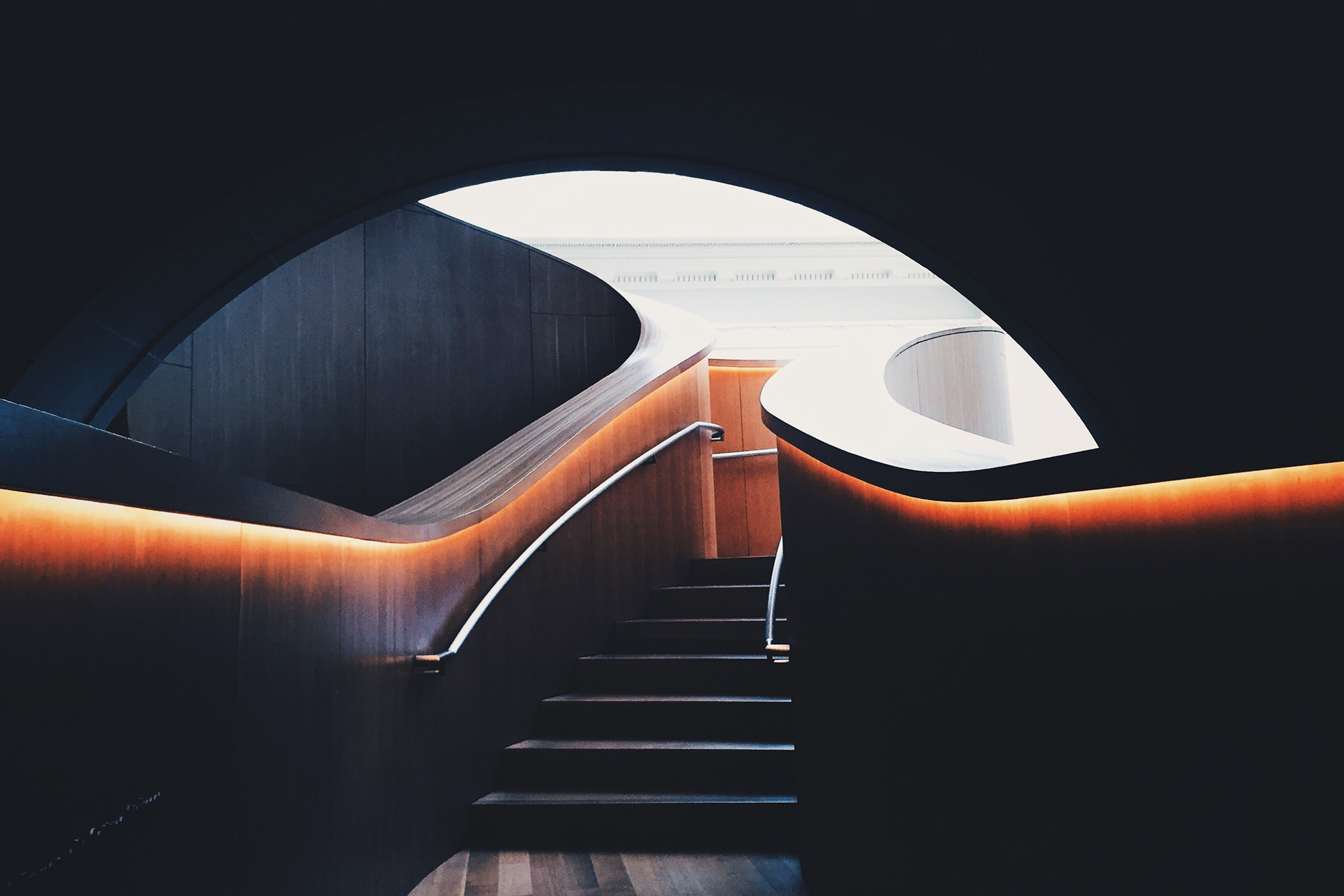
MIT scholars have investigated the design of the MIT campus and how it helps people connect and develop collaborations. The buildings at the campus offer large lobbies, flexible labs, common spaces and also a long corridor that mixes thousands of people.
The study looked at email exchanged between faculty, researchers and staff on campus and confirmed that the enhancement of physical proximity within the space can increase the communication between individuals.
It was found that people are more likely to communicate via email after running into each other in the common areas rather than in the corridor. Moreover, the researchers at the campus communicate more often when the workspaces are connected through indoor halls rather than outdoor paths.
Did you know how physical proximity facilitated through architectural design can impact communication between people?
If eliciting communication between people, customers and/or employees is your goal, focusing on the design and architecture of the space is fundamental. Physical proximity is not a particularly difficult phenomenon to enhance, the only thing you need to focus on is to strategically design the features of the space. Think of the bigger elements like the actual architecture of the space but also the smaller and easier to apply ones such as the interior design, the furniture, how it is located and so on…
Design wisely and you’ll get the results you are looking for.