
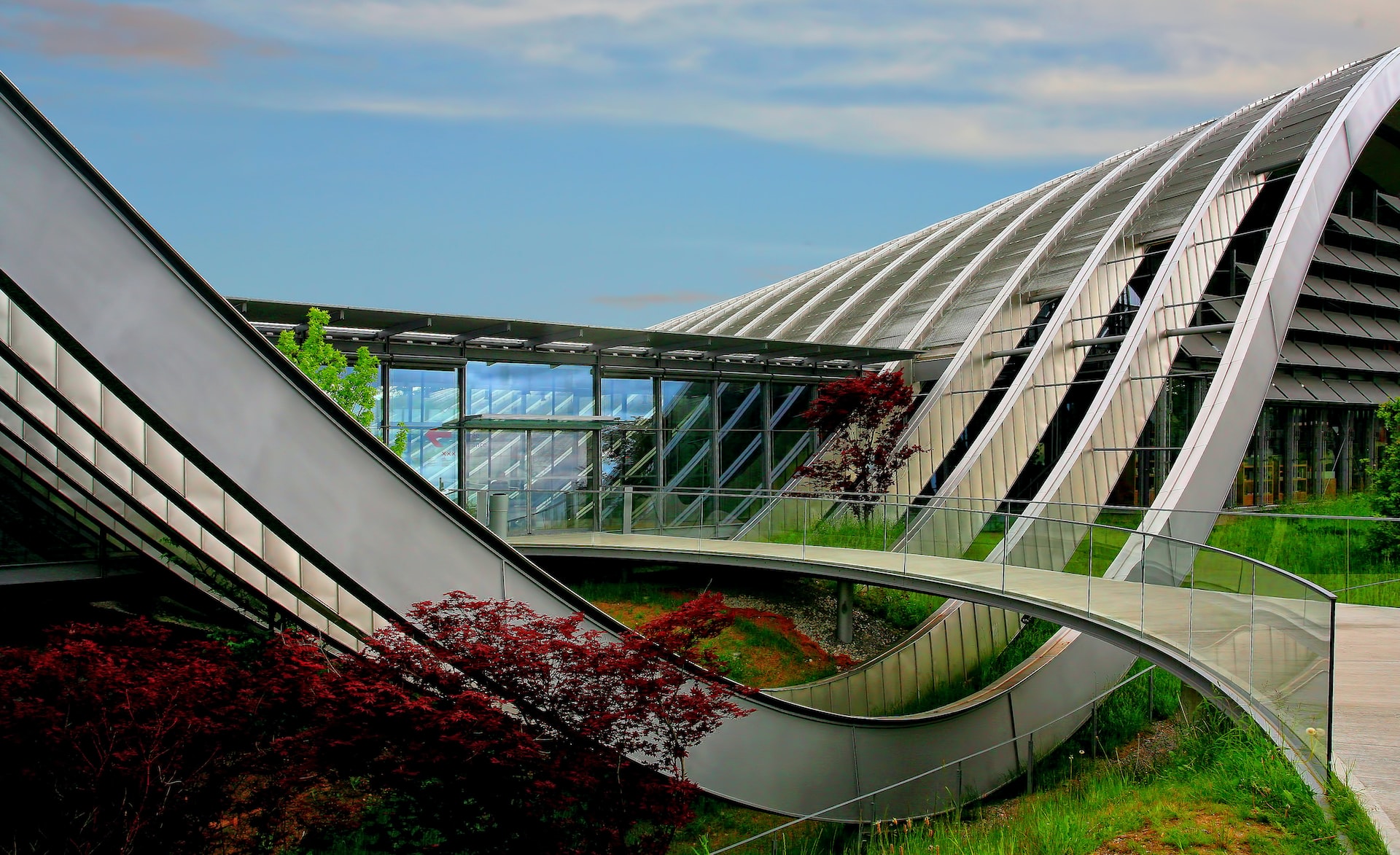
It is now well-known that architecture has a great impact on the life of people. Studies across countries and fields have shown that architecture and, more specifically, certain architectural design features can have profound positive consequences, from the enhancement of positive memories and feelings to the encouragement of certain actions. For instance, studies have shown that well-designed facilities can result in faster recovery in hospitals, better learning in schools and also higher productivity in offices.
An interesting study has decided to specifically focus on the extent to which architecture can impact human restorativeness. The sense of psychological restoration is one of the elements that indicate human positive well-being. Architecture and specific design qualities, by reducing cognitive fatigue and stress, can contribute to creating restorative environments. These features usually refer to natural elements.
This study wanted to understand and quantify human restorativeness and interestingly, they did so in a virtual environment configured with distinct architectural design features. The participants of the study were asked to virtually navigate within such space to find a certain room. While doing so, they were exposed to several features like the presence of windows and different sizes of them but also the presence of natural lights and a view of nature. The study provided evidence that the presence/size of windows, natural light and natural views positively impact one’s experience within an environment and also their level of restorativeness.
Creating a space that enhances a level of restorativeness in people has become essential. Due to the pandemic and the difficulties experienced in the past two years, many have fought for their well-being. Creating such spaces can help people recover but also maintain a certain balance in their lives.
Reference
Zou, Z., & Ergan, S. (2019). A framework towards quantifying human restorativeness in virtual built environments.