

The global gaming market is booming; titles such as Fortnite, the free multiplayer game with 250 million users, and streaming platforms such as Twitch show that interactive games are the future. They are interactive, engaging, and most of all build loyalty and trust. In fact, the use of game-like elements and mechanics in non-game settings has been the key sector brands are experimenting in, seeking to offer a rewarding experience to customers. The idea is simple; video games with their rewards are highly addictive and have loyal fans so why not profit from them in a retail setting. Gamification is thus a key strategy to increase engagement and build brand awareness and ultimately, customer loyalty.
How does it work?
Gamification uses game mechanics and dynamics providing the audiences with proactive directives in the form of tasks and rewards. Making full use of the online platforms available, it aims to maximize the accomplishments of set targets and business goals by offering a compelling experience. Brands know very well that people who participate in their gamification concept are actually interacting with the brand itself through the game and its initiatives. By tapping into their emotions and sense of affiliation built through gamification processes, brands aim to increase engagement and attention and built brand loyalty.
The practice ranges from gamified brand awareness campaigns to fully gamifying the shopping experience itself. The most recent example is Burberry; the luxury brand virtually recreated the physical pop-up store and café in Parnas Hotel Jeju on the popular game platform Zepeto, with this virtual experience also offering game elements. Visitors were asked to complete a quest to receive Burberry Resort Collection pieces to dress their avatars. Gamification tactics are tapping into Millennials’ and Gen Z’s buying power by offering them a shopping experience they are already familiar with. Capitalizing on the new generations’ market means creating branded games and campaigns that further attract them with familiar gamification strategies, making them feel affiliated with the brand.
Gamification Improves Customer Loyalty
Truth is it’s not easy to have customers fully engaged with a brand; much like loyalty programs, gamification encourages customers to do business with the brands on a constant basis. Social media competition and email campaigns don’t create the continued engagement that complex gamification strategies are offering. In a gaming framework, a brand can introduce a new product or simply increase the time people spend on their website. A great example here is the recent Coach campaign inspired by the work of the late American artist Tom Wesselmann. The campaign was brought to life through a digital experience that allows users to play with social filters and watch videos on TikTok to learn about Wesselmann’s life and work while exploring the collection.
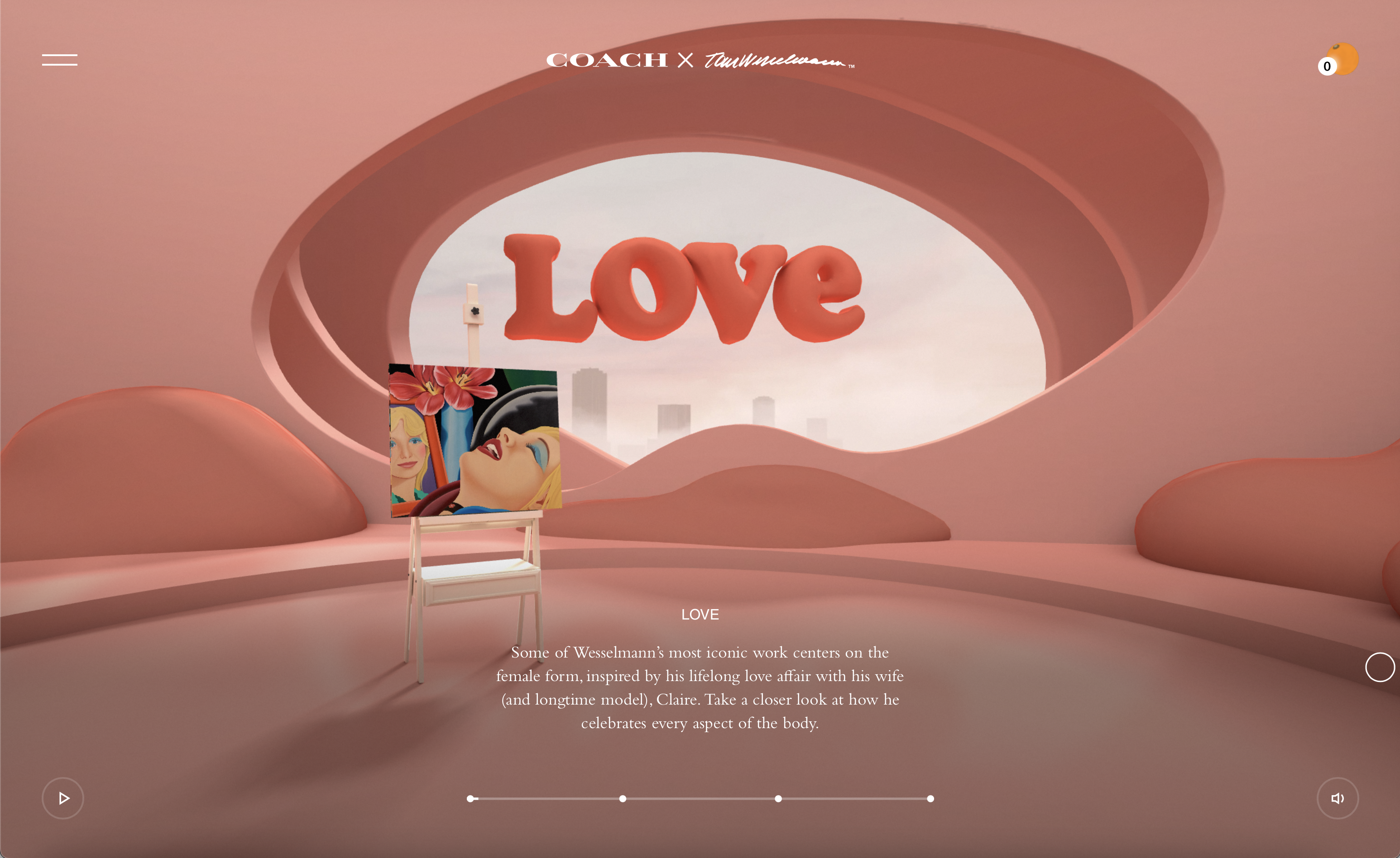
Coach X Tom Wesselmann
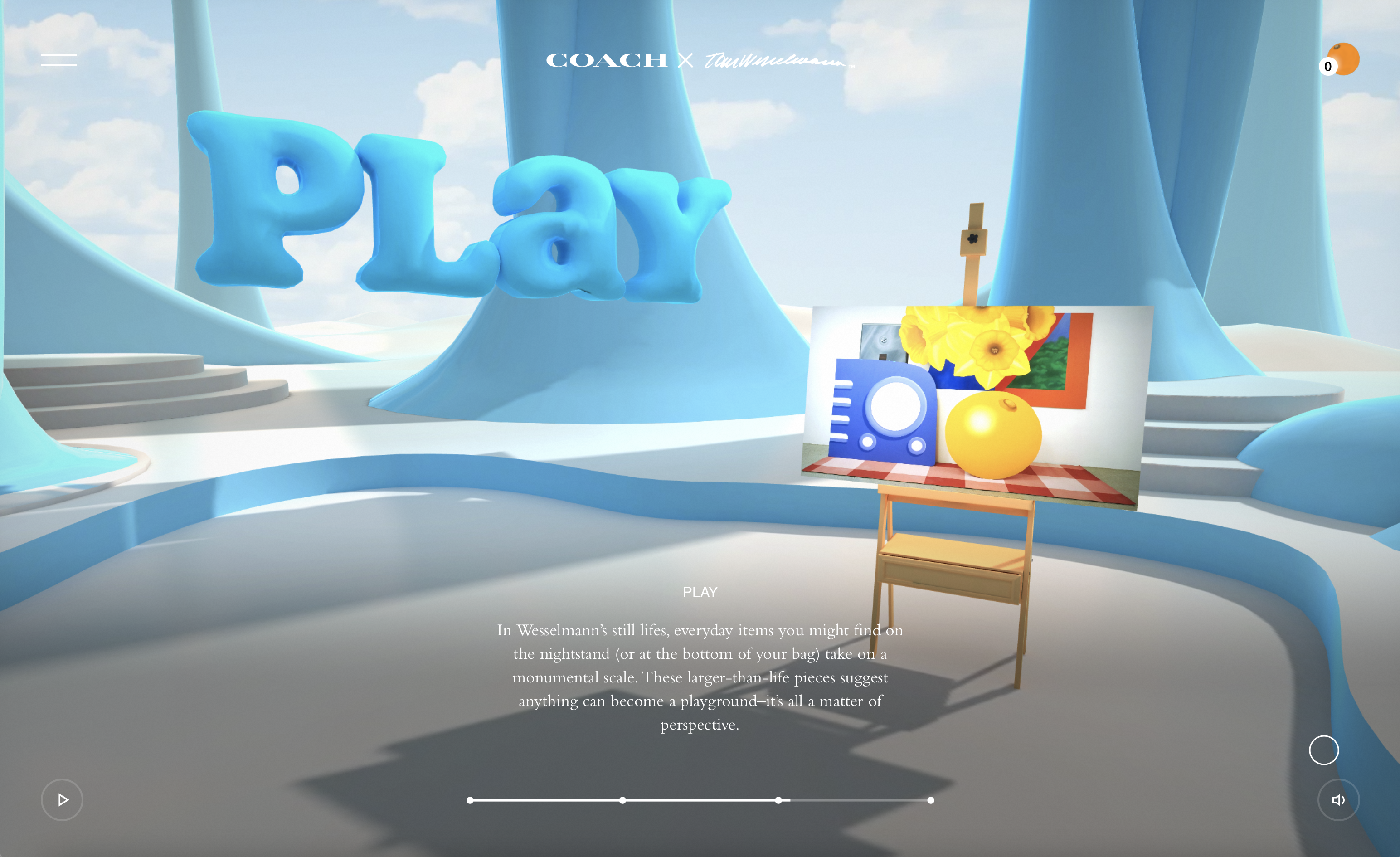
Create brand awareness and built exclusivity
Gamification mechanics can encourage repeated engagement but can also build brand advocacy through an emotional connection with the brand. The key here is not engagement but re-engagement, in the same concept mobile games are built on. French luxury brand Kenzo launched a gamified e-shopping experience last year to promote the release of its new Sonic sneaker. Restricted to just a limited number of players, the aim of the initiative was to highlight the exclusiveness of the product and built trust amongst customers through engagement. Users had to virtually defeat other opponents in an effort to then get access to buy one of the 100 exclusive pairs of sneakers. The campaign challenged consumers and added excitement and a sense of exclusivity making the shopping journey a fully gamified experience. This new loyalty component built through excitement and rewards is becoming even more common among brands that begin to make full use of mobile photo applications.
So what types of gamification can actually have an impact on consumer choices? Truth is, everyone loves a good game. For brands, incorporating game design elements into products and marketing initiatives can be the new best way to go, that is if they can tailor the experience to the brand ethos, characteristics, and even aesthetics. It’s very easy to get caught up in the hype of gamification strategies and forget users’ needs and eventually the true purpose of the product itself.
The key for brand marketers is to understand what motivates their users and what keeps them motivated inside a gamification interface without creating unnecessary visual noise. Most of all, your gamification campaign needs to tell a story, the story of the brand in a concise yet exciting manner that users can identify with.